


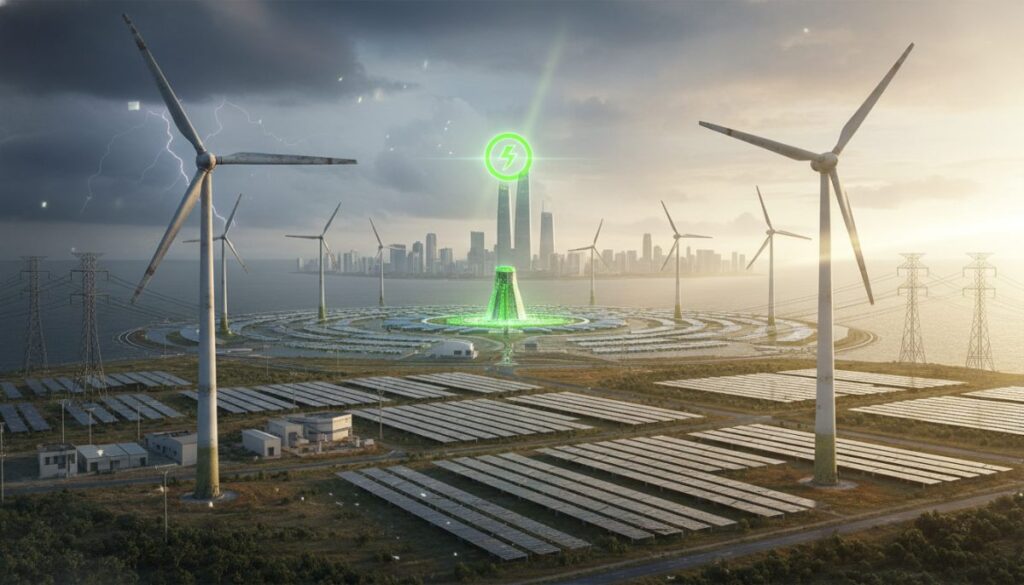
Vietnam, with its rapidly growing economy, is facing an increasing demand for energy. Alongside the global transition toward green energy, the country’s energy technology sector is at a critical turning point, requiring innovative strategies to ensure energy security while achieving sustainable development. This transformation presents not only significant challenges but also valuable opportunities for Vietnam to emerge as a regional leader in energy technology.
Major Challenges Hindering the Development of Energy Technology
To shape Vietnam’s energy future, identifying existing barriers is the first and most important step. One of the biggest challenges is the country’s considerable dependence on fossil fuels such as coal and natural gas. This reliance not only places pressure on the environment but also creates risks to energy security due to fluctuations in global supply and pricing.
Although Vietnam has invested heavily in upgrading its power grid infrastructure, significant limitations remain, particularly in integrating and transmitting renewable energy from remote generation sites to major consumption centers. The lack of synchronization across the system and insufficient energy storage capacity continue to be major bottlenecks, affecting both efficiency and grid stability.
In addition, investment capital for new energy technology projects—especially those involving advanced technologies and clean energy solutions—remains limited. Domestic enterprises often face difficulties accessing large-scale funding and advanced technologies from international markets.
Another challenge lies in the shortage of highly skilled professionals in the energy technology sector. Vietnam still lacks sufficient engineers and specialists with expertise in renewable energy, smart grids, energy storage systems, and emerging technologies. Furthermore, although the legal and regulatory framework has improved in recent years, certain policies still lack the clarity and flexibility needed to encourage stronger investment and innovation.
Golden Opportunities for Breakthroughs in Renewable Energy
Despite these challenges, Vietnam possesses unique advantages and significant opportunities for advancing energy technology, particularly in the renewable energy sector.
The country has tremendous potential for solar energy thanks to its abundant sunshine across many regions, as well as strong wind resources, especially in coastal areas. Small-scale hydropower and biomass energy also represent valuable resources that can be effectively developed.
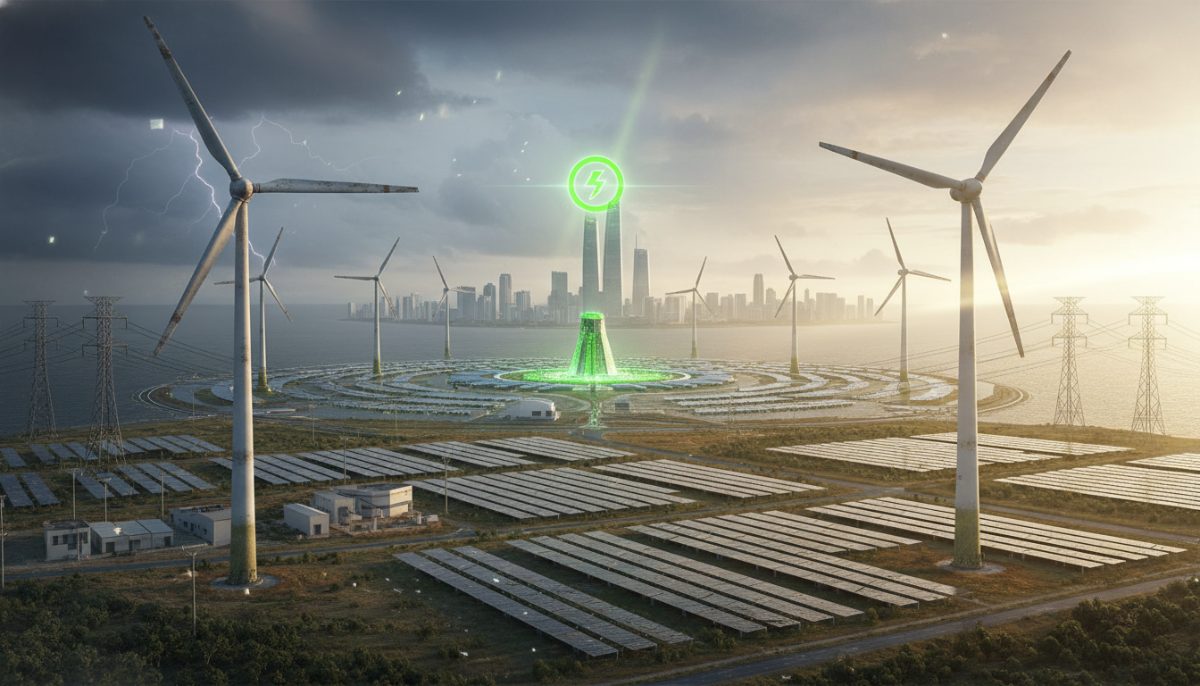
The global shift toward clean energy has created strong international support for renewable energy initiatives. Many countries and international organizations are willing to provide technology transfer, technical expertise, and financial assistance for renewable energy projects. This presents an excellent opportunity for Vietnam to access cutting-edge technologies and learn from the experiences of developed nations.
The Vietnamese government has also introduced various policies to encourage renewable energy investment, including feed-in tariff (FIT) mechanisms and, more recently, competitive bidding programs. These measures have contributed to creating a more favorable environment for investors.
Meanwhile, rapid technological advancements—particularly in Artificial Intelligence (AI), the Internet of Things (IoT), and blockchain technology—are opening a new era for smart grids, efficient energy management, and optimized system operations. Vietnam can leverage these innovations to build a modern and sustainable energy ecosystem. At the same time, the growing startup ecosystem within the country is fostering innovative ideas and green technology solutions that can further accelerate industry development.
Solutions to Overcome Challenges and Seize Opportunities
To unlock its full potential and overcome existing barriers, Vietnam must adopt a comprehensive and coordinated strategy.
First, continued investment in smart grid infrastructure is essential to improve the integration and transmission of renewable energy. The development of advanced energy storage systems, including battery storage and pumped-storage hydropower, is equally important to ensure the reliability and stability of the national power system.
Second, developing a highly skilled workforce is a key factor in long-term success. Greater collaboration with universities, research institutions, and international partners is needed to train engineers and specialists capable of mastering new technologies. Scholarship programs, academic exchanges, and professional training initiatives should also be expanded.
Third, improving the legal and regulatory framework remains crucial. The government should continue reviewing and refining policies to create a transparent, stable, and attractive investment environment that encourages participation from both domestic and international businesses.
Promoting international cooperation and technology transfer offers a faster path to acquiring knowledge and expertise. Vietnam should actively seek strategic partnerships and participate more deeply in global energy technology supply chains.
Finally, encouraging domestic research and development (R&D) and supporting innovative startups in the green energy sector will create strong internal momentum for sustainable growth and long-term competitiveness.
Conclusion
Vietnam’s energy technology sector is standing at the threshold of a new era. Successfully identifying challenges and proactively embracing opportunities will be the key to ensuring energy security while positioning the country as a leader in green energy technology.
With a clear strategic vision, targeted investments, and strong collaboration among stakeholders, Vietnam’s energy future is well-positioned to achieve sustainable growth and long-term prosperity.